
Construction Site Security: How to Secure a Job Site Overnight
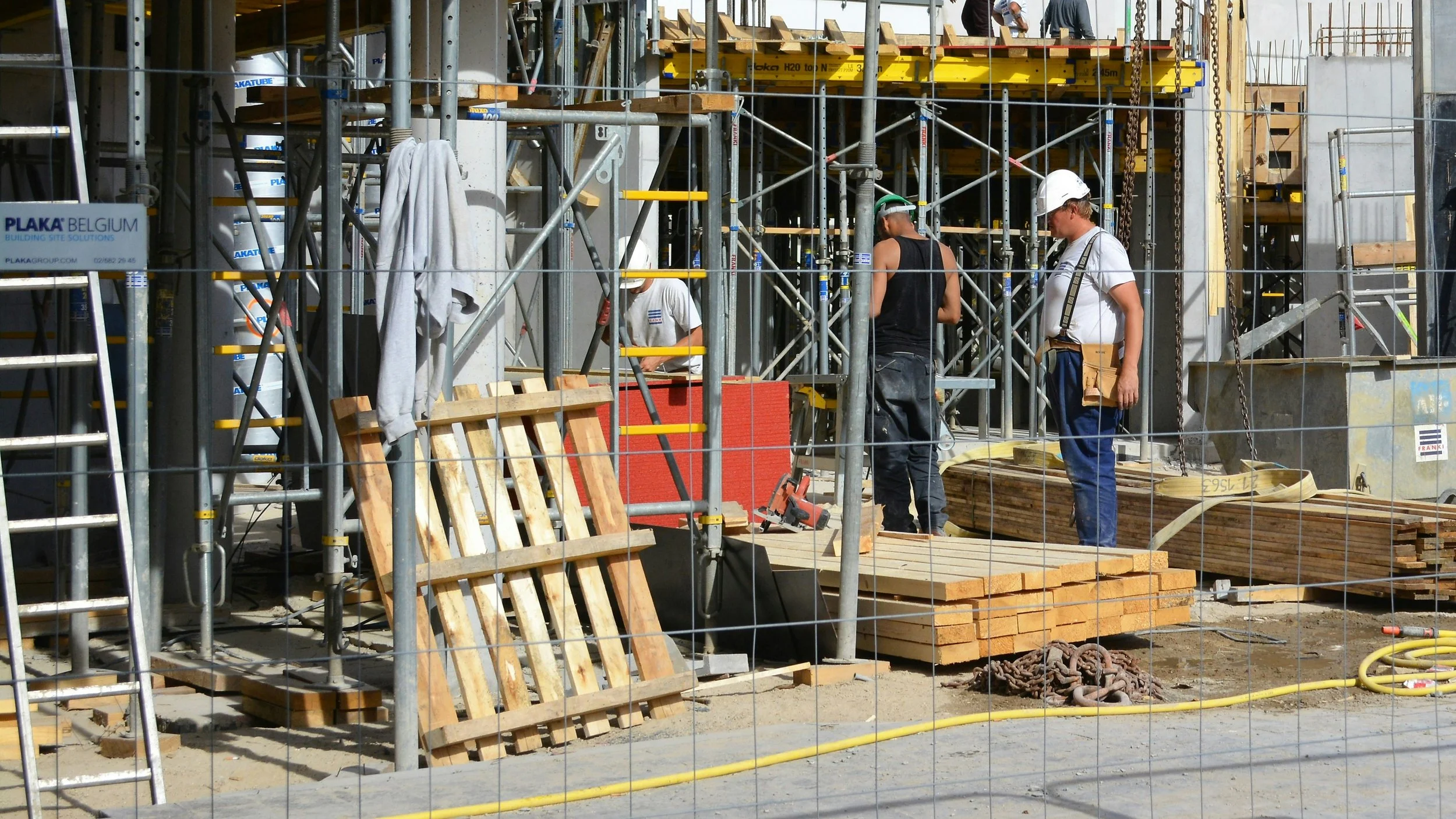
Construction sites can become vulnerable after workers leave for the day. Tools, equipment, appliances and building materials may be valuable and relatively easy to remove if the property is not properly secured.
An unsecured site can also create safety risks for homeowners, neighbors, children and unauthorized visitors. Whether you are completing a home remodel, building an addition or constructing a new home, having a clear construction site security plan can help protect the property throughout the project.
Here are some of the best ways to secure a construction site overnight.
Install Secure Perimeter Fencing
Temporary fencing creates a visible boundary between the construction area and the surrounding neighborhood. It can discourage trespassing while making it more difficult to remove tools or materials from the property.
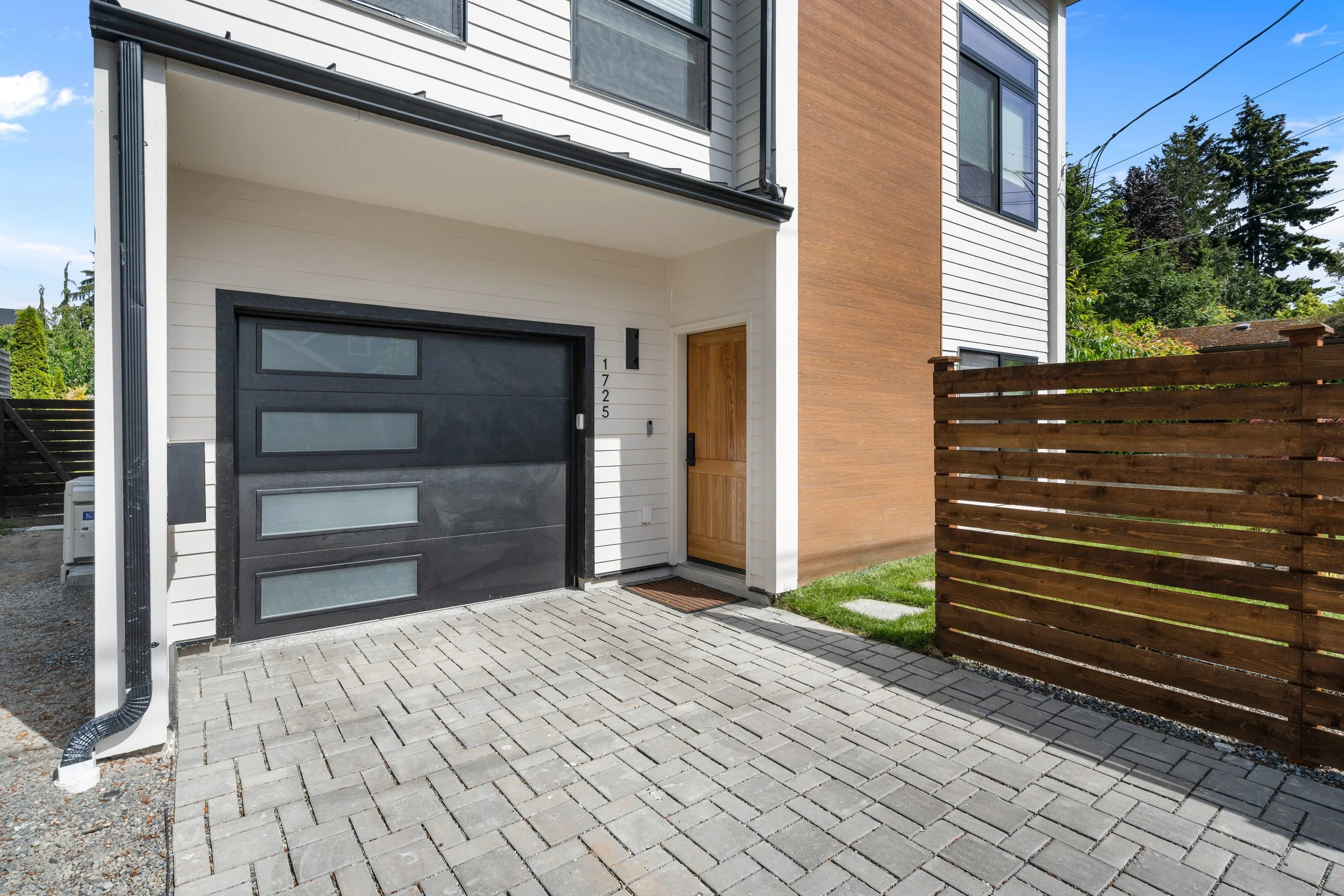
All gates should be locked after working hours. Entry points should also be limited to areas where workers, deliveries and subcontractors can be properly monitored.
Signs displaying messages such as “Authorized Personnel Only” or “Construction Area—Keep Out” can provide an additional warning to people approaching the site.
Lock Away Tools and Equipment
Portable power tools should never be left in open rooms, truck beds or unfinished garages overnight. Store them inside a secured job box, enclosed structure or locked storage container.
Larger equipment should be immobilized when possible, and all keys should be removed at the end of the workday. Keys should not be hidden anywhere on the construction site.
For longer projects, maintain a record of the tools and equipment assigned to the site. Include photographs, serial numbers and identifying information to make missing items easier to document.
Use Motion-Activated Lighting
A well-lit construction site is less attractive to potential trespassers. Motion-activated lights can illuminate entrances, driveways, storage areas and other vulnerable sections of the property when movement is detected.
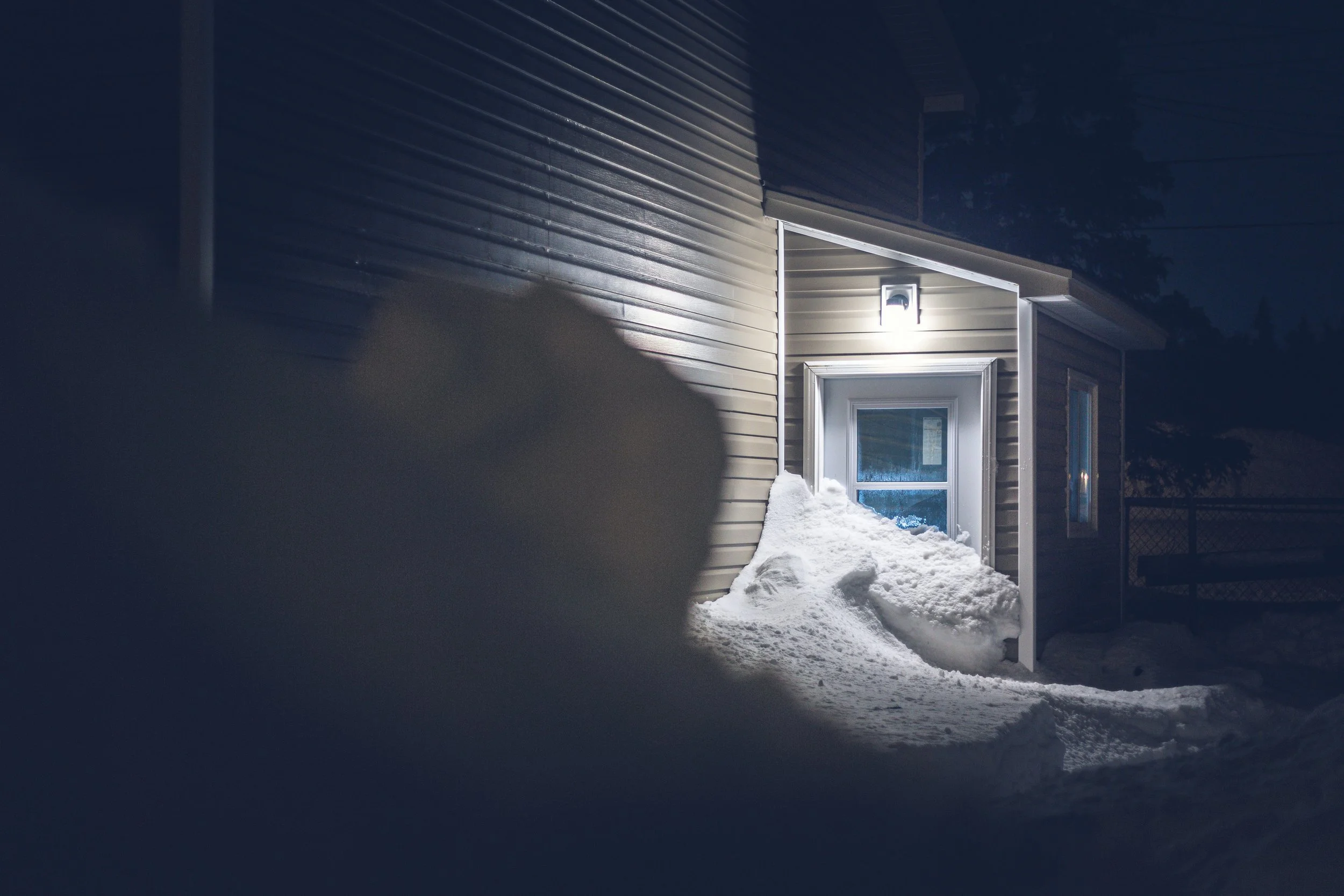
Lighting is especially important during the darker months in Washington, when construction sites may be unattended for several hours before daylight returns.
Lights should be positioned carefully to cover the property without shining directly into neighboring homes.
Install Security Cameras
Security cameras can deter unauthorized activity and provide documentation if an incident occurs. Cameras should be positioned to monitor:
Gates and primary entrances
Driveways and delivery areas
Tool and material-storage locations
Unfinished doors and windows
Garages and equipment areas
Sections of the property that are hidden from the street
Cameras with motion alerts, night vision and cloud-based recording can allow the contractor or property owner to monitor the construction site remotely. They should be mounted high enough that they cannot be easily reached, covered or disconnected.
Control Access to the Job Site
Construction site access should be limited to authorized workers, subcontractors and approved visitors. Contractors should maintain a current record of everyone with permission to enter the property.
Keys, access codes and gate combinations should not be shared unnecessarily. Temporary codes can be created for subcontractors and changed when their portion of the project is complete.
If many people use the same access code, it may become difficult to determine who entered the site and when.
Secure Unfinished Doors and Windows
Homes under construction may have unfinished openings that make the interior easier to access. Open doors, windows and other entry points should be covered with securely fastened materials before the site is left unattended.
Once permanent doors and windows are installed, confirm that they close and lock properly. Temporary locks or reinforced panels may still be necessary until the home’s permanent security system is operating.
Ladders should also be secured or stored where they cannot be used to reach upper floors, roofs or open windows.
Schedule Valuable Deliveries Carefully
Appliances, fixtures, copper wiring and specialty materials should not arrive earlier than necessary. Whenever possible, schedule valuable deliveries shortly before the items will be installed.
Someone should be present to receive and inspect every delivery. Expensive materials should not be left outside or in an unsecured section of the property overnight.
Careful scheduling reduces the amount of valuable inventory stored on the construction site at any given time.
Maintain an Inventory of Materials
Keep an updated list of valuable tools, equipment and materials stored at the property. The inventory should include:
Item descriptions
Quantities
Serial numbers
Purchase receipts
Photographs
Delivery and installation dates
An accurate inventory helps the contractor identify missing materials quickly. It may also provide useful documentation when reporting theft or submitting an insurance claim.
Remove Debris and Potential Hazards
Good construction site security also includes maintaining a clean and organized property. Scrap metal, packaging, loose materials and construction debris can attract attention or create safety hazards.
Combustible waste should be removed regularly, while hazardous materials should be stored according to the manufacturer’s instructions. Walkways and access points should remain clear so workers and emergency responders can move safely around the site.
Coordinate With the Homeowner and Neighbors
Homeowners should know who is authorized to enter the property and how to contact the contractor if they notice a problem.
It can also be helpful to inform nearby neighbors that construction is underway. Neighbors should not be expected to monitor the property, but they may notice unfamiliar vehicles, unusual noises or activity occurring outside normal working hours.
Clear communication can be particularly helpful during residential construction projects in Seattle, Bellevue, Kirkland, Mercer Island and other established neighborhoods where homes are located close together.
Create an End-of-Day Security Checklist
A designated supervisor should inspect the construction site before workers leave each day. Following the same checklist every evening reduces the likelihood that an entrance, tool or piece of equipment will be overlooked.
The end-of-day inspection should confirm that:
Gates, doors and windows are secured
Tools and equipment are locked away
Equipment keys have been removed
Cameras and motion lights are operating
Valuable materials are protected
Ladders have been secured
Water and temporary electrical systems are safe
Combustible debris has been removed
No unauthorized individuals remain on the property
Any security concern discovered during the inspection should be corrected before the site is left unattended.
Why Construction Site Security Matters
A secure construction site protects more than tools and building materials. It helps reduce project interruptions, replacement expenses, safety risks and potential delays.
Effective construction site theft prevention requires several layers of protection. Fencing may discourage casual entry, while lighting, cameras, controlled access and secure storage provide additional safeguards.
Security procedures should be reviewed throughout the project because the property’s vulnerabilities will change as demolition, framing and interior work progress.
Frequently Asked Questions
Who is responsible for securing a residential construction site?
Responsibility should be clearly addressed between the contractor and property owner before construction begins. The contractor generally manages daily job-site procedures, while the homeowner may remain responsible for certain existing security systems or occupied areas of the property.
Should tools remain on a construction site overnight?
Tools should only remain on the property when secure storage is available. Portable and high-value tools should be locked inside a job box, storage container or completed section of the building.
Are security cameras useful during a home remodel?
Yes. Cameras can discourage unauthorized entry and provide a record of activity around entrances, deliveries and storage areas. Homeowners and contractors should discuss camera placement before installation, especially when the property remains occupied.
How often should construction access codes be changed?
Codes should be changed whenever someone no longer requires access, after a possible security incident or when a code may have been shared with an unauthorized person.
What materials are commonly vulnerable on construction sites?
Portable tools, appliances, fixtures, copper wiring, lumber and other valuable materials may be vulnerable when left in accessible or unsecured areas.
Work With a Contractor Who Respects Your Property
Construction site security should be part of the project plan from the beginning—not something considered only after an incident occurs.
At F&M Construction & Remodeling, we understand that protecting a client’s property is an important part of completing a successful project. Our team works to maintain organized, professional job sites while providing remodeling and construction services throughout the greater Seattle area.
Contact F&M Construction & Remodeling to discuss your upcoming home remodeling, addition or construction project.