

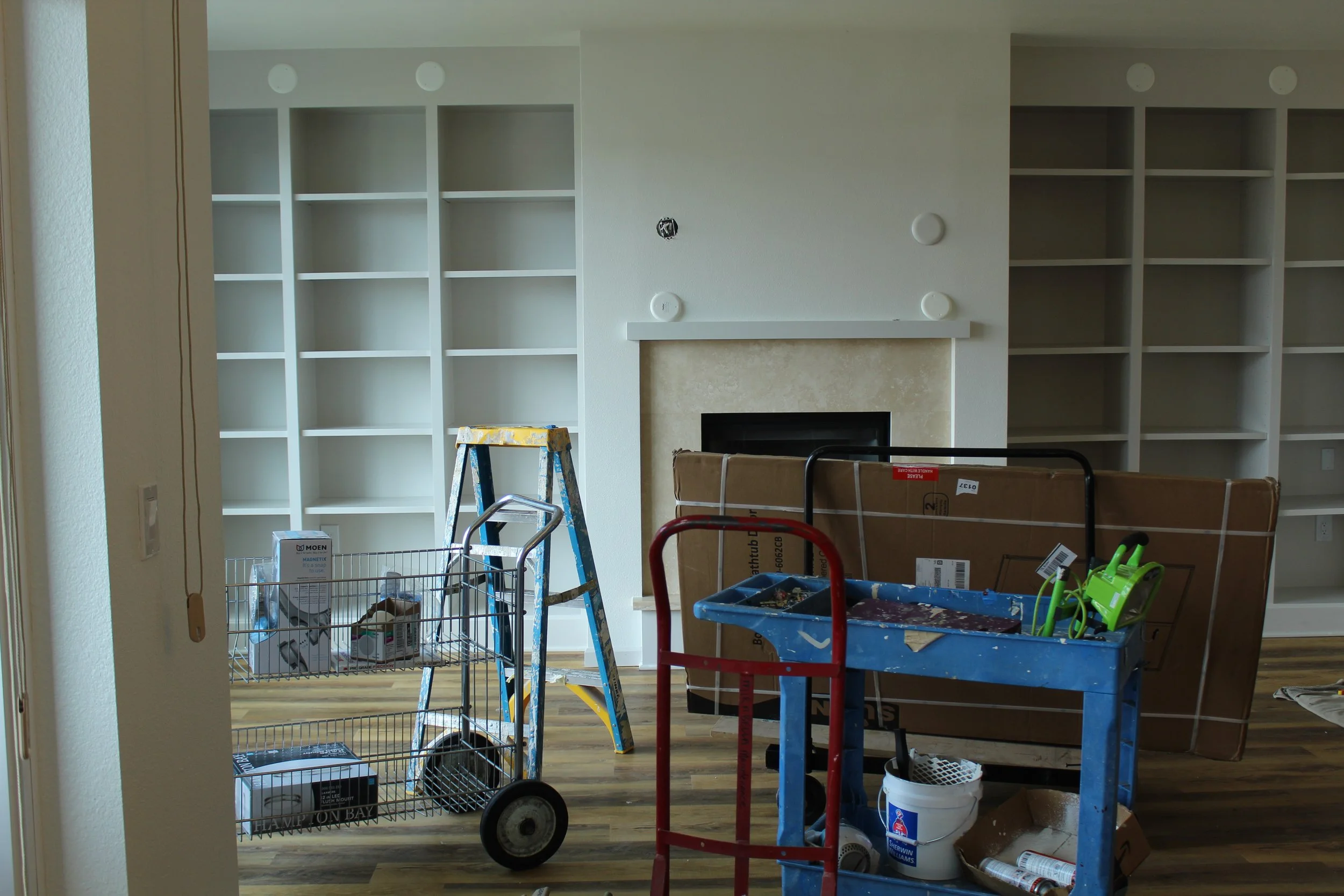
How to plan for your next remodel.
Planning a home remodel is exciting, but it can also feel overwhelming. Whether you're updating a kitchen, finishing a basement, renovating a bathroom, or transforming your entire home, knowing where to begin can save you time, money, and stress. For homeowners in Washington, careful planning is especially important because remodeling projects often require permits, inspections, and coordination between multiple trades.
Here's a step-by-step guide to help you start your home remodeling project the right way.
1. Define Your Remodeling Goals
Before contacting a contractor, determine exactly what you want to accomplish.
Ask yourself:
Are you remodeling to increase your home's value?
Do you need more functional living space?
Are you updating an older home?
Are you planning to stay in the home for many years?
Clear goals make it easier to prioritize your budget and design decisions.
2. Establish a Realistic Budget
Every remodeling project should begin with a realistic financial plan.
Your budget should include:
Construction costs
Design fees
Permit costs
Material selections
Unexpected repairs
A contingency fund of 10–20% for unforeseen issues
Older Washington homes may require electrical, plumbing, or structural upgrades once demolition begins, so it's wise to prepare for surprises.
3. Prioritize the Most Important Projects
If you're remodeling your entire home, decide which areas should be completed first.
Common priorities include:
Kitchen remodeling
Bathroom remodeling
Structural improvements
Roof repairs
Flooring replacement
Interior painting
Energy-efficient window installation
Completing major structural work before cosmetic updates prevents unnecessary rework.
4. Hire an Experienced Washington Remodeling Contractor
Choosing the right contractor is one of the most important decisions you'll make.
Look for a contractor who:
Is licensed and insured in Washington
Has experience with projects similar to yours
Provides detailed estimates
Communicates clearly throughout the project
Has positive customer reviews
Can provide references from previous clients
A qualified contractor will also help identify potential issues before construction begins.
5. Create a Design Plan
Avoid making design decisions during construction whenever possible.
Before work begins, finalize:
Floor plans
Cabinet layouts
Lighting locations
Flooring materials
Paint colors
Plumbing fixtures
Appliances
Countertop selections
Tile choices
Making selections early helps prevent delays and keeps the project on schedule.
6. Understand Washington Permit Requirements
Many remodeling projects in Washington require permits.
Depending on the scope of work, permits may be needed for:
Structural modifications
Electrical work
Plumbing work
HVAC installations
Window and door openings
Home additions
Deck construction
Working without the required permits can lead to fines, project delays, and complications when selling your home.
7. Follow the Right Remodeling Sequence
One of the biggest mistakes homeowners make is completing projects in the wrong order.
A typical remodeling sequence looks like this:
Planning and design
Permits
Demolition
Structural framing
Plumbing, electrical, and HVAC rough-ins
Insulation
Drywall installation and finishing
Interior painting
Flooring
Cabinets
Countertops
Trim and doors
Plumbing and electrical fixtures
Final inspections
Final walkthrough
Following this sequence helps minimize delays and costly changes.
8. Prepare for Temporary Disruptions
Even well-planned remodeling projects can affect your daily routine.
Consider:
Temporary kitchen arrangements
Dust control
Pet safety
Parking for contractors
Material deliveries
Noise during work hours
Planning ahead makes the construction process much more manageable.
9. Focus on Long-Term Value
While every homeowner has unique goals, some remodeling projects consistently provide strong returns in Washington.
Popular upgrades include:
Kitchen remodels
Bathroom renovations
Energy-efficient windows
Hardwood or luxury vinyl plank flooring
Open-concept living spaces
Finished basements
Outdoor living areas
Modern lighting
Smart home features
Choosing durable, timeless materials often provides the best long-term value.
10. Work With Professionals You Trust
A successful remodel depends on more than quality craftsmanship. It requires careful planning, transparent communication, and attention to detail from the first consultation through the final walkthrough.
An experienced remodeling team (like us) can help you navigate design decisions, permitting requirements, scheduling, and construction while keeping your project on track and within budget.
Ready to Remodel Your Washington Home?
Whether you're renovating a single room or planning a complete home transformation, starting with a clear plan is the key to success. Defining your goals, setting a realistic budget, hiring the right contractor, and following the proper construction sequence can help ensure a smoother remodeling experience.
If you're considering a home remodeling project in Washington, working with F&M Construction and Remodeling can make the entire process more efficient and help bring your vision to life.