

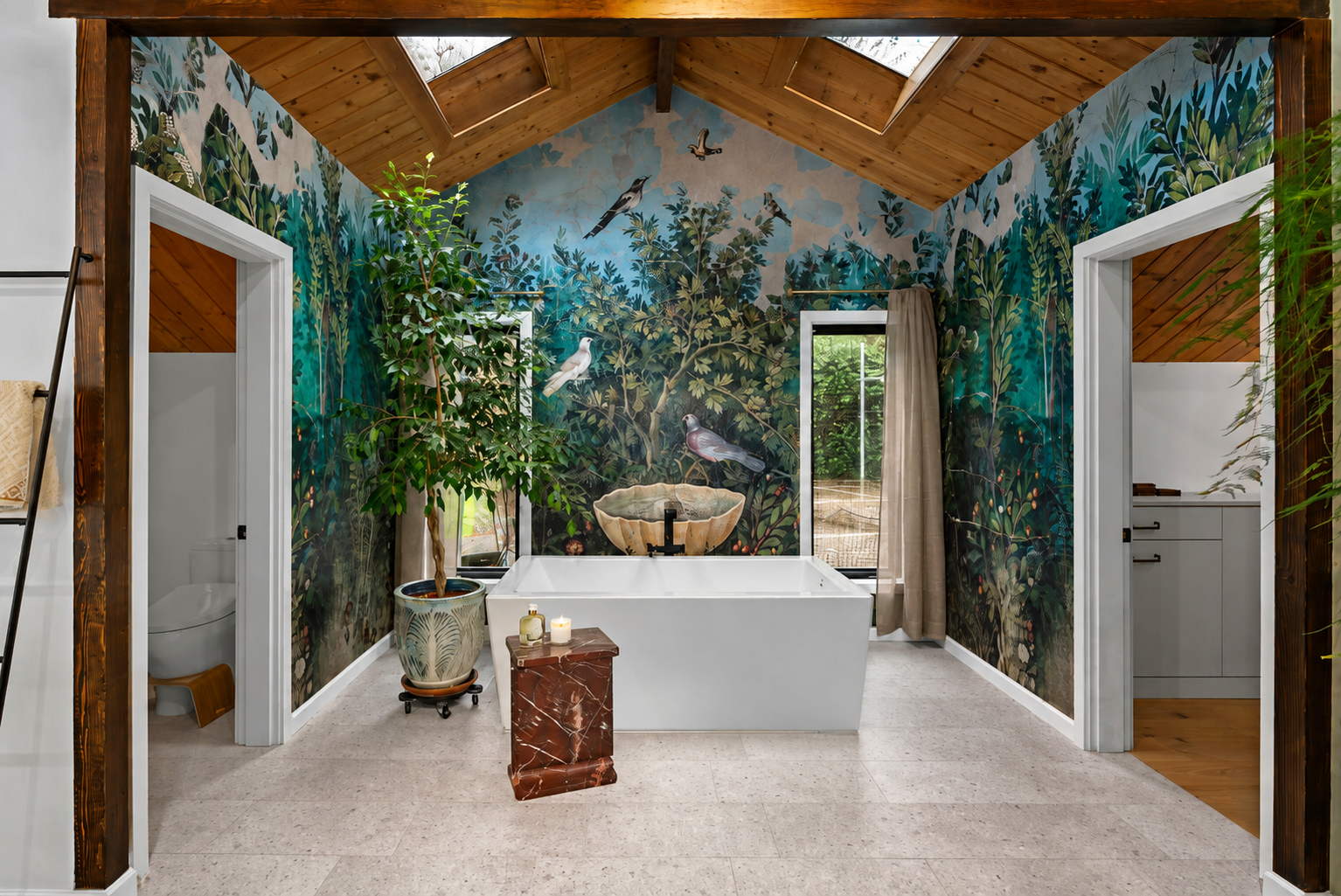
Remember to consider safety when designing your dream bathroom.
Bathroom safety is often overlooked during renovations yet slips and falls remain one of the most common household accidents. Choosing the right non-slip tiles for bathrooms is not only a design decision, but it’s also a safety upgrade that protects children, guests, and older adults while maintaining style.
This guide explains exactly how to choose slip-resistant bathroom tiles, what ratings matter, which materials perform best, and how to balance safety with design.
Why Non-Slip Bathroom Tiles Matter
Bathrooms are high-moisture environments. Water, steam, soap residue, and smooth finishes create the perfect conditions for slips.
Non-slip tiles:
Reduce fall risk
Improve safety for kids and seniors
Increase home value
Meet modern building and accessibility standards
If you’re remodeling a bathroom, tile selection should prioritize traction first, aesthetics second.
1. Understand Slip Resistance Ratings (COF & R-Ratings)
Coefficient of Friction (COF)
The COF measures how much grip a tile provides.
0.60 or higher (wet conditions) → Recommended for bathroom floors
Below 0.50 → Best avoided for wet areas
Always check wet COF, not dry.
R-Ratings (Common in Porcelain & European Tiles)
R9–R10 → Light slip resistance (walls, powder rooms)
R11–R12 → Ideal for bathrooms and showers
R13 → Commercial/industrial use
For most homes, R11 porcelain tiles offer the best balance of safety and comfort.
2. Best Tile Materials for Non-Slip Bathrooms
Porcelain Tiles (Top Choice)
Naturally dense and water-resistant
Available in textured or matte finishes
Excellent durability
Best for: Bathroom floors, walk-in showers
Ceramic Tiles
Budget-friendly
Choose textured finishes only
Less dense than porcelain
Best for: Guest bathrooms or powder rooms
Natural Stone (Use with Caution)
Materials such as slate or honed travertine can be slip-resistant when properly sealed.
Avoid polished marble in bathrooms—it’s slippery when wet.
Vinyl Tile (Modern Alternative)
Soft underfoot
Slip-resistant coatings available
Water-resistant and affordable
Best for: Basement bathrooms or rentals
3. Tile Finish Matters More Than Color
When it comes to traction, finish beats appearance.
Best Finishes for Bathrooms
Matte
Textured
Structured or anti-slip coatings
Avoid:
Glossy finishes
Highly polished tiles
Smooth glass tiles on floors
A matte porcelain tile can look modern and luxurious without sacrificing safety.
4. Tile Size & Layout Affect Slip Resistance
Large tiles may look sleek—but they reduce grout lines, which lowers traction.
Safer Options:
Small tiles (2×2, hex, penny tiles)
Mosaic tiles with more grout
Slip-resistant grout textures
Pro tip: Shower floors should almost always use small or mosaic tiles.
5. Don’t Forget Grout Selection
Grout plays a major role in preventing slips.
Use sanded grout for floor tiles
Choose a grout color that hides soap residue
Seal grout properly to prevent moisture absorption
More grout lines = more grip.
6. ADA & Aging-in-Place Considerations
If the bathroom is used by:
Seniors
Mobility-limited individuals
Families planning to age in place
Then, slip resistance is non-negotiable.
Look for:
Wet COF ≥ 0.60
Textured surfaces
Zero-threshold showers
Heated flooring (helps water dry faster)
7. Maintenance & Long-Term Safety
Even non-slip tiles can become slippery if poorly maintained.
Best Practices:
Clean soap residue regularly
Avoid wax or glossy sealers
Use proper stone sealants if applicable
Regular maintenance keeps traction intact.
Common Mistakes to Avoid
Choosing tiles based on looks alone
Using wall tiles on bathroom floors
Installing glossy tiles in showers
Ignoring manufacturer slip ratings
These mistakes often lead to costly re-tiling later.
Final Thoughts: Safety Can Still Look Beautiful
Modern non-slip bathroom tiles come in wood-look, concrete-look, stone-look, and minimalist designs. You do not have to sacrifice aesthetics to gain safety.
A well-chosen tile:
Prevents accidents
Complements your bathroom design
Adds long-term value to your home
If you’re unsure which tile works best for your space, consult a remodeling professional who understands both safety standards and design trends.