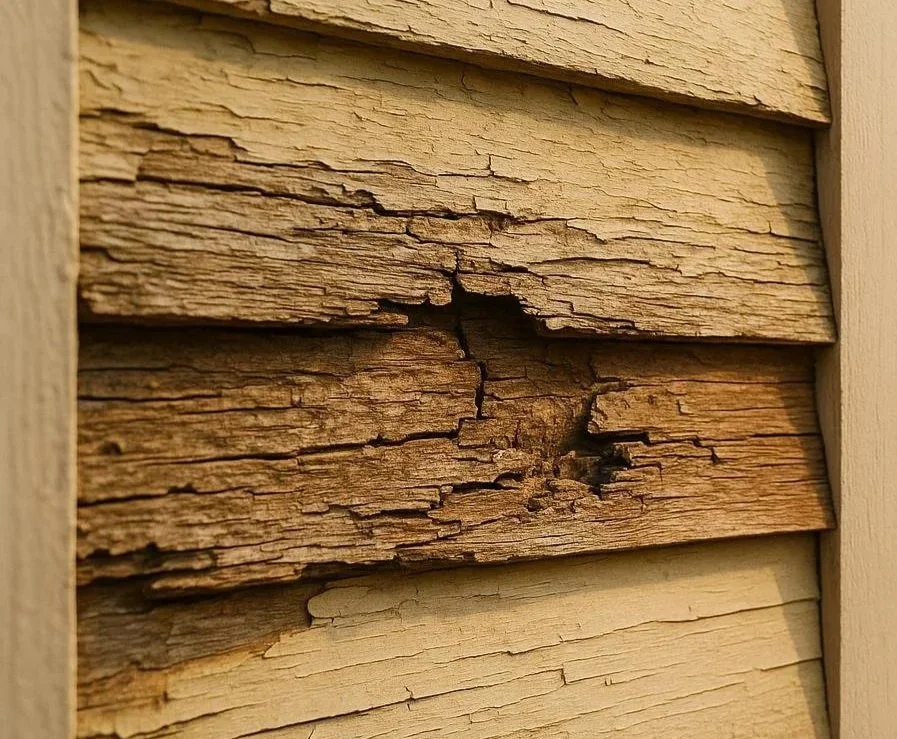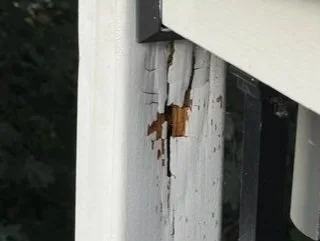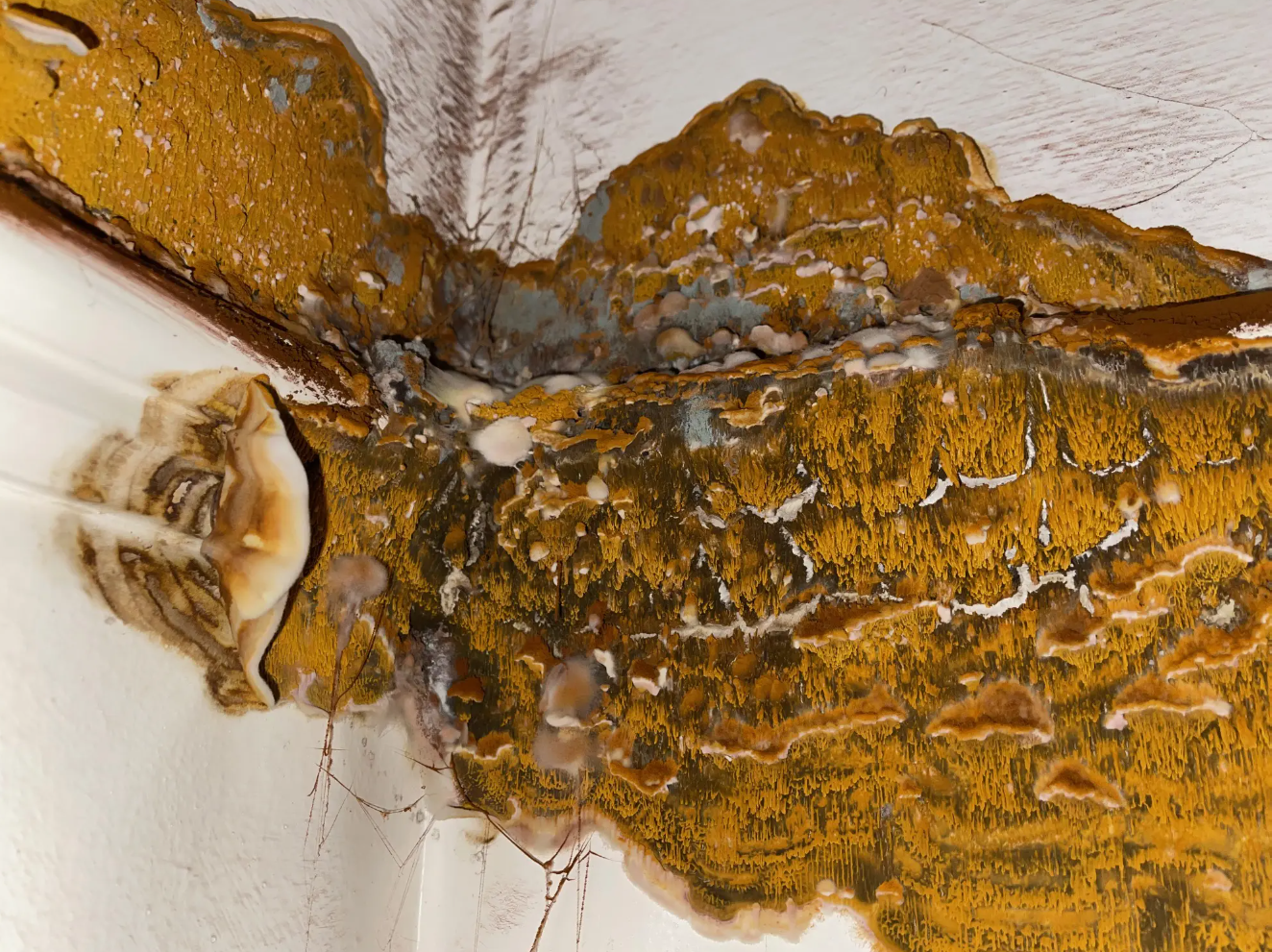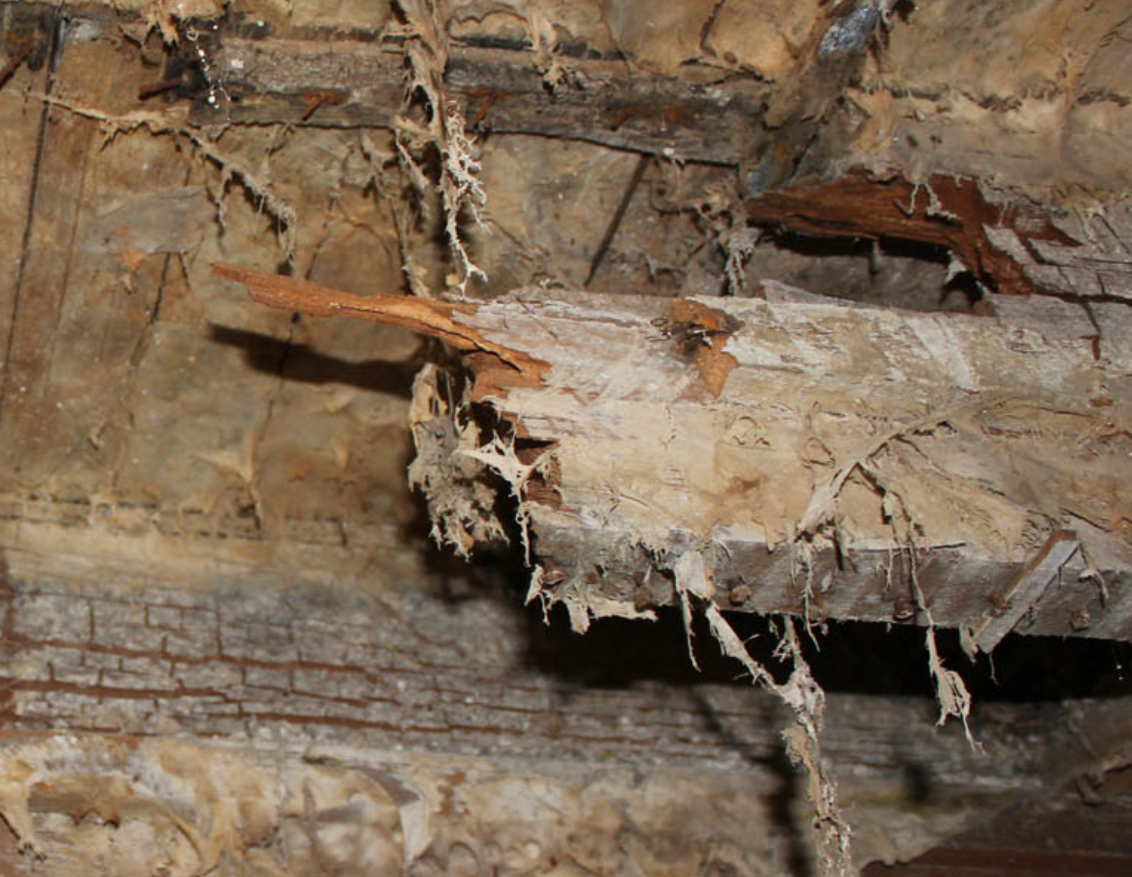

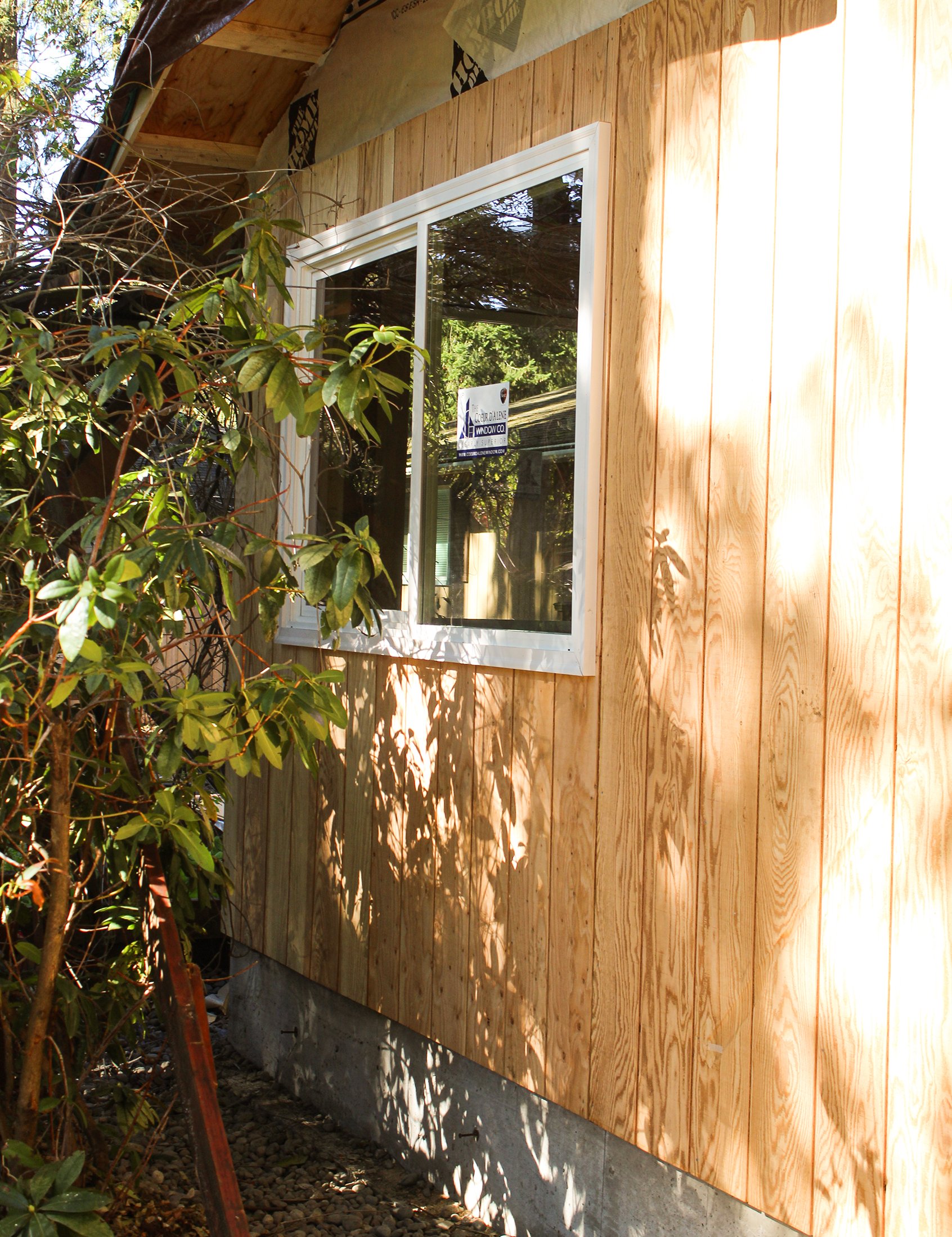
Dry Rot Repair
Dry rot can cause serious damage when moisture allows wood-decaying fungi to deteriorate structural and exterior wood components. What may begin as a small area of damaged siding, trim, decking, or framing can become a much larger problem if the source of moisture and the affected materials aren't properly addressed. In the rainy Pacific Northwest, identifying and repairing moisture-related wood damage is especially important for protecting your home.
With over 15 years of construction, remodeling, and property repair experience, F&M Construction and Remodeling provides professional dry rot repair throughout Bellevue, Seattle, and the Greater Eastside. Our experienced team understands how to identify damaged materials, remove deteriorated wood, repair or replace affected components, and address the construction conditions contributing to moisture intrusion. Whether dry rot is discovered around windows and doors, siding, decks, exterior trim, or structural framing, we focus on repairing the underlying problem—not simply covering up the visible damage.
Concerned about dry rot or moisture damage in your home? F&M Construction and Remodeling makes the whole process clear and manageable. Start your Bellevue or Seattle Home Remodel today!
CALL US AT 253-221-9874, visit our office at 13737 SE 26th St, Suite 7, Bellevue WA 98005, or SCHEDULE YOUR FREE CONSULTATION and we will come to you. We will visit your property, talk through your vision, and send over a no obligation, no cost to you estimate.
Frequently Asked Questions
-
Dry rot is a type of wood decay caused by fungi that thrive in damp conditions. As the fungus breaks down the wood fibers, the affected wood becomes weak, brittle, and structurally compromised. Despite its name, dry rot develops when excess moisture is present.
-
Dry rot typically develops when wood is repeatedly exposed to moisture from roof leaks, plumbing leaks, poor drainage, damaged siding, failed caulking, clogged gutters, or inadequate ventilation. Eliminating the source of moisture is essential to preventing future damage.
-
Common signs include soft or crumbling wood, cracked or splitting boards, discoloration, mushroom-like fungal growth, musty odors, peeling paint, or wood that feels spongy when pressed. A professional inspection can determine the extent of the damage.
-
Yes. If moisture remains present, fungal growth can continue spreading to nearby wood components. Prompt repairs and moisture control help stop the progression and protect surrounding structural materials.
-
Dry rot is often found around windows, doors, decks, roof eaves, fascia boards, siding, trim, crawl spaces, balconies, and other areas exposed to moisture over time.
-
Yes. If left untreated, dry rot can weaken framing, support beams, decking, trim, and other structural wood components, increasing the scope and cost of repairs over time.
-
Successful repairs begin with correcting the underlying moisture issue. We inspect surrounding components, improve weather protection where needed, and replace damaged materials to help reduce the risk of future deterioration.
-
Coverage depends on the cause of the damage and the terms of your insurance policy. Sudden water damage may be covered, while deterioration resulting from long-term moisture or deferred maintenance is often excluded. We recommend reviewing your policy or speaking with your insurance provider.
-
Yes. Dry rot generally worsens over time when moisture remains present. Early repairs are often less extensive and help prevent additional structural damage.
-
Both are forms of wood decay caused by moisture, but they develop under different conditions. Dry rot is caused by a specific fungus that can spread through wood when moisture is present, while wet rot generally remains confined to consistently damp areas. Both require professional evaluation and repair.
-
Replacing damaged wood without correcting the underlying moisture issue often allows the problem to return. Successful dry rot repair addresses both the visible damage and the conditions that caused it, helping protect your home from future deterioration.
-
Absolutely. Deteriorated caulking around windows, doors, siding joints, and trim can allow water to penetrate behind exterior finishes, creating conditions where dry rot may develop.
-
Yes. Dry rot is often a symptom of a larger moisture issue. Inspecting the roof, siding, flashing, gutters, windows, and drainage system helps identify the source of the problem and reduce the risk of future damage.
-
The cost depends on the location, severity of the damage, accessibility, and whether structural framing or other hidden components require replacement. We'll perform a thorough inspection and provide a detailed repair proposal.
-
Most repairs can be completed within one to several days, depending on the extent of the damage, material availability, weather conditions, and whether structural repairs are necessary.
-
F&M Construction and Remodeling has been serving homeowners and families in the Bellevue, Seattle, Greater Eastside, and surrounding areas since 2010.
We are a trusted, local general contractor based out of Bellevue, WA, with deep roots in the Puget Sound region.
F&M is licensed, bonded, and insured in Washington State (Contractor License FMCONMC877MR).
We work with homeowners in Bellevue, Mercer Island, Medina, Woodinville, Kenmore, Redmond, Kirkland, Sammamish, Issaquah, Newcastle, Seattle, and Renton. Transforming homes in the Pacific Northwest is our specialty.
F&M understands how involved a remodel or renovation can be. We know how it will affect your daily life, so we keep the entire project organized and on schedule, while providing plenty of communication and guidance along the way. Let us turn your vision into reality.
Examples of Dry Rot