
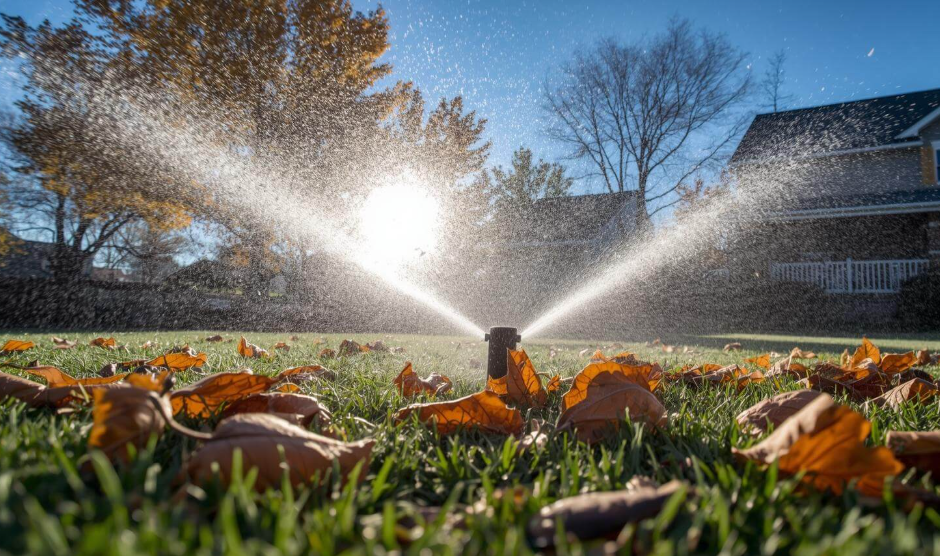
Sprinkler Blowouts
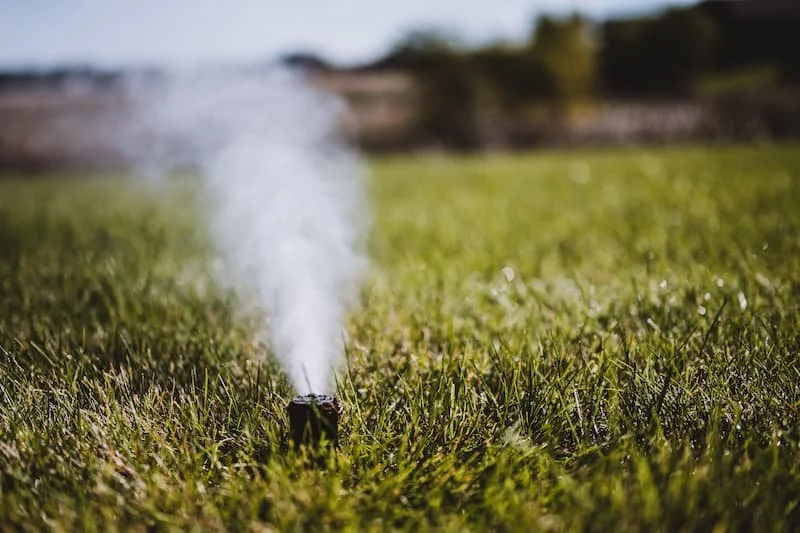
Sprinkler blowouts are an essential part of seasonal lawn care and irrigation system maintenance, helping protect underground sprinkler lines, valves, fittings, and sprinkler heads from freezing temperatures and costly winter damage. During a professional sprinkler blowout, compressed air is carefully introduced into the irrigation system to remove residual water before freezing conditions arrive. Without proper winterization, trapped water can freeze, expand, and cause cracked pipes, damaged components, underground leaks, and expensive repairs when the system is reactivated in spring. In the Pacific Northwest, sprinkler blowouts are typically recommended in early to mid-fall, ideally between September and October, before the first hard freeze.
Our experienced team understands the seasonal challenges of maintaining residential landscapes in Washington's changing climate. We focus on properly preparing irrigation systems for winter, using appropriate equipment and procedures to remove standing water while protecting sensitive system components. Whether you're maintaining a residential lawn, landscaped garden, or larger outdoor property, our sprinkler winterization services help minimize freeze-related damage, extend the lifespan of your irrigation system, and reduce the risk of unexpected repairs. Protect your irrigation system before freezing temperatures arrive.
Keep your home ready for every Pacific Northwest season. F&M Construction and Remodeling makes the whole process clear and manageable. Start your Bellevue or Seattle Home Maintenance Schedule today!
CALL US AT 253-221-9874, visit our office at 13737 SE 26th St, Suite 7, Bellevue WA 98005, or SCHEDULE YOUR FREE CONSULTATION and we will come to you. We will visit your property, talk through your vision, and send over a no obligation, no cost to you estimate.
Frequently Asked Questions
-
A sprinkler blowout is a winterization process that uses controlled compressed air to remove water from an underground irrigation system before freezing temperatures arrive. Water trapped inside sprinkler pipes, valves, and sprinkler heads can freeze and expand, potentially causing cracks, leaks, and expensive repairs. Professional sprinkler blowout services help protect these components and prepare your irrigation system for winter. For homeowners in Bellevue, Seattle, and the Greater Eastside, annual sprinkler winterization is an important part of seasonal property maintenance.
-
The ideal time to schedule a sprinkler blowout in Bellevue and Seattle is generally during October, before the first significant overnight freeze. Some homeowners schedule as early as late September, particularly when colder weather is forecast or appointment availability is limited. Although Western Washington experiences relatively mild winters, sudden freezing temperatures can still damage irrigation systems. Scheduling early helps ensure your sprinkler system is properly winterized before winter weather arrives.
-
Yes, sprinkler winterization is recommended for many residential irrigation systems throughout Seattle, Bellevue, and the surrounding Eastside communities. Even though the Pacific Northwest generally experiences milder winters than other regions, temperatures can still drop below freezing. Water remaining inside irrigation pipes, sprinkler heads, and exposed backflow assemblies may freeze and cause damage. A professional sprinkler blowout provides preventive protection against unexpected cold snaps and potentially expensive spring repairs.
-
The cost of sprinkler blowout services depends on your property's size, the number of irrigation zones, system accessibility, and overall complexity. Published local pricing varies, with some Bellevue estimates around $70–$105 and some Seattle-area providers advertising approximately $150–$200 for winterization. Larger properties, complicated irrigation systems, or additional maintenance needs may cost more. F&M Construction and Remodeling can provide an estimate based on your property's specific irrigation system and winterization requirements.
-
Failing to winterize your sprinkler system can leave water trapped inside underground irrigation lines, valves, fittings, and sprinkler heads. When temperatures fall below freezing, that water can expand and potentially crack pipes or damage sensitive components. These problems may remain unnoticed until spring, when the irrigation system is turned back on and leaks or malfunctioning sprinkler heads become apparent. Preventive sprinkler blowout maintenance can help homeowners avoid unexpected repair expenses and extend the useful life of their irrigation systems.
-
Homeowners can sometimes perform sprinkler blowouts themselves, but the process requires appropriate equipment, knowledge of the irrigation system, and careful pressure regulation. Excessive compressed air pressure or incorrect procedures can damage pipes, valves, sprinkler heads, and backflow prevention equipment. Professional sprinkler winterization reduces the risk of improper blowouts and helps ensure each irrigation zone is addressed. Hiring an experienced service provider is particularly beneficial for larger residential properties and complex irrigation systems
-
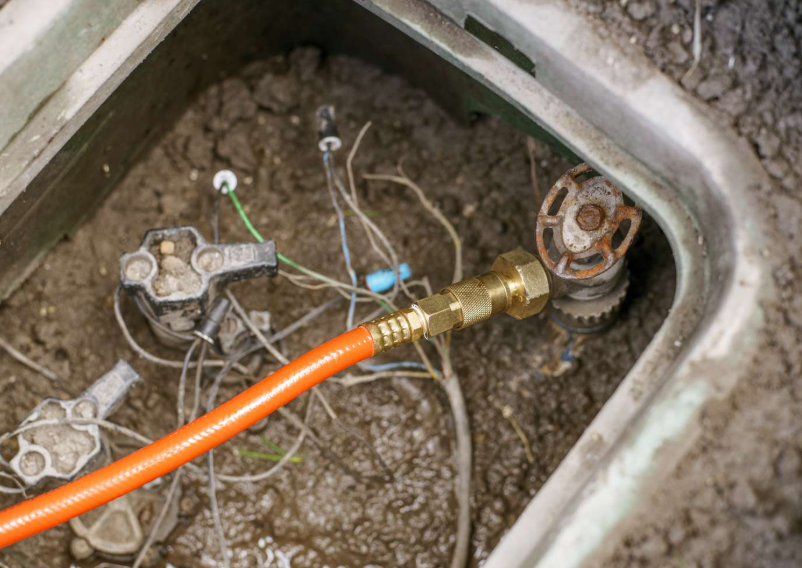
Most residential sprinkler blowout appointments take approximately 15–45 minutes, depending on the number of irrigation zones and the complexity of the system. Smaller properties with straightforward irrigation layouts may require less time, while larger properties with multiple zones may take longer. The process generally includes shutting off the irrigation water supply, connecting compressed air at an appropriate connection point, and clearing the system zone by zone. Additional preparation or maintenance needs may extend the appointment.
-
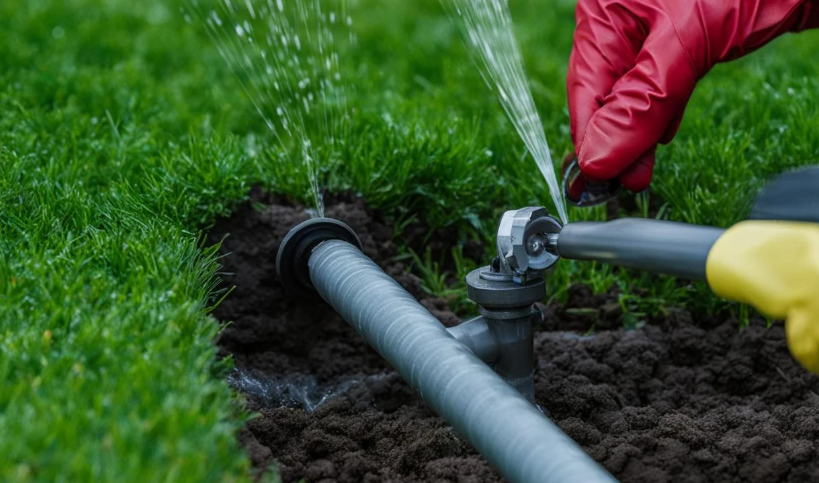
A typical professional sprinkler blowout service begins with shutting off the irrigation water supply and preparing the system for winterization. Controlled compressed air is then used to clear remaining water from individual irrigation zones, reducing the risk of freeze-related damage. Proper winterization also addresses vulnerable components such as exposed piping, the backflow assembly, and the irrigation controller. The exact procedures depend on the system's design, equipment, and manufacturer requirements.
-
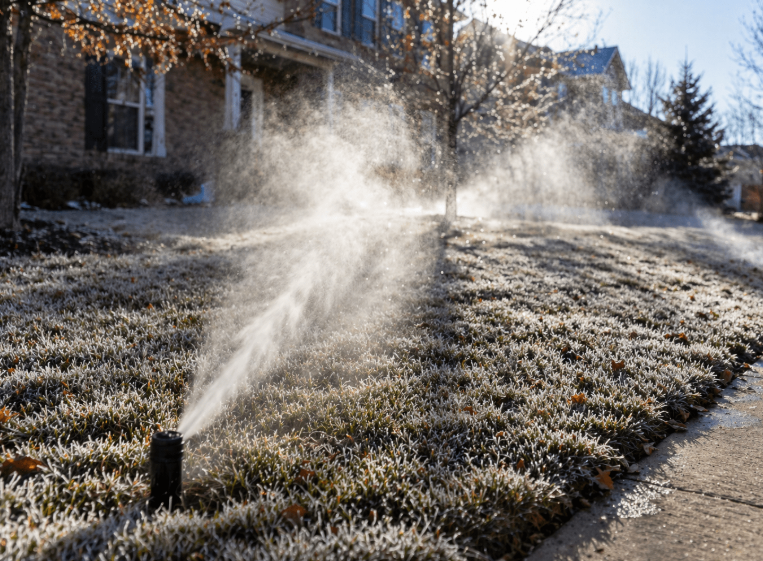
Yes, underground sprinkler pipes can freeze when temperatures remain low enough for frost to penetrate the surrounding soil. Although buried irrigation lines have some natural protection from freezing temperatures, shallow pipes and exposed components remain vulnerable during cold weather. Sprinkler heads, valves, and above-ground backflow prevention assemblies may be particularly susceptible to freeze-related damage. Proper irrigation winterization helps reduce these risks by removing water from the system before winter arrives.
-
A sprinkler blowout performed incorrectly can damage irrigation components, particularly when excessive air pressure is used. High pressure, prolonged airflow, or improper connection points can harm sprinkler heads, fittings, valves, and other sensitive equipment. Seattle Public Utilities recommends following specific pressure limits based on pipe material and avoiding blowouts through backflow prevention devices. Professional service helps minimize these risks by using appropriate equipment and techniques.
-
Yes, shutting off your irrigation system before freezing temperatures arrive is an important step in winter preparation. However, simply turning off the sprinkler controller or water supply does not necessarily remove water trapped inside underground pipes and irrigation components. Depending on the system, additional draining or compressed-air winterization may be necessary to prevent freeze-related damage. Homeowners throughout Bellevue and Seattle should plan irrigation shutdown and winterization before the first significant freeze.
-
In Bellevue and Seattle, sprinkler systems are commonly reactivated during spring once the risk of damaging freezing temperatures has passed. Before restarting your irrigation system, it's important to inspect visible components, restore the water supply carefully, and check for leaks or damaged sprinkler heads. Each irrigation zone should be tested to confirm proper operation and water coverage. A spring irrigation inspection can help identify winter damage before regular watering begins.
-
With over 15 years of construction, remodeling, and property maintenance experience, F&M Construction and Remodeling understands the importance of protecting residential properties against seasonal weather conditions. Serving Bellevue, Seattle, and the Greater Eastside, our team focuses on preventive maintenance solutions that help homeowners protect their landscaping and outdoor investments. We recognize that proper irrigation winterization is an important part of maintaining a healthy, functional property throughout the Pacific Northwest's changing seasons. Contact F&M Construction and Remodeling to discuss your sprinkler blowout needs and request a free estimate.