
Best Bathroom Tiles for Washington Homes: Expert Advice for Bellevue and Seattle Homeowners
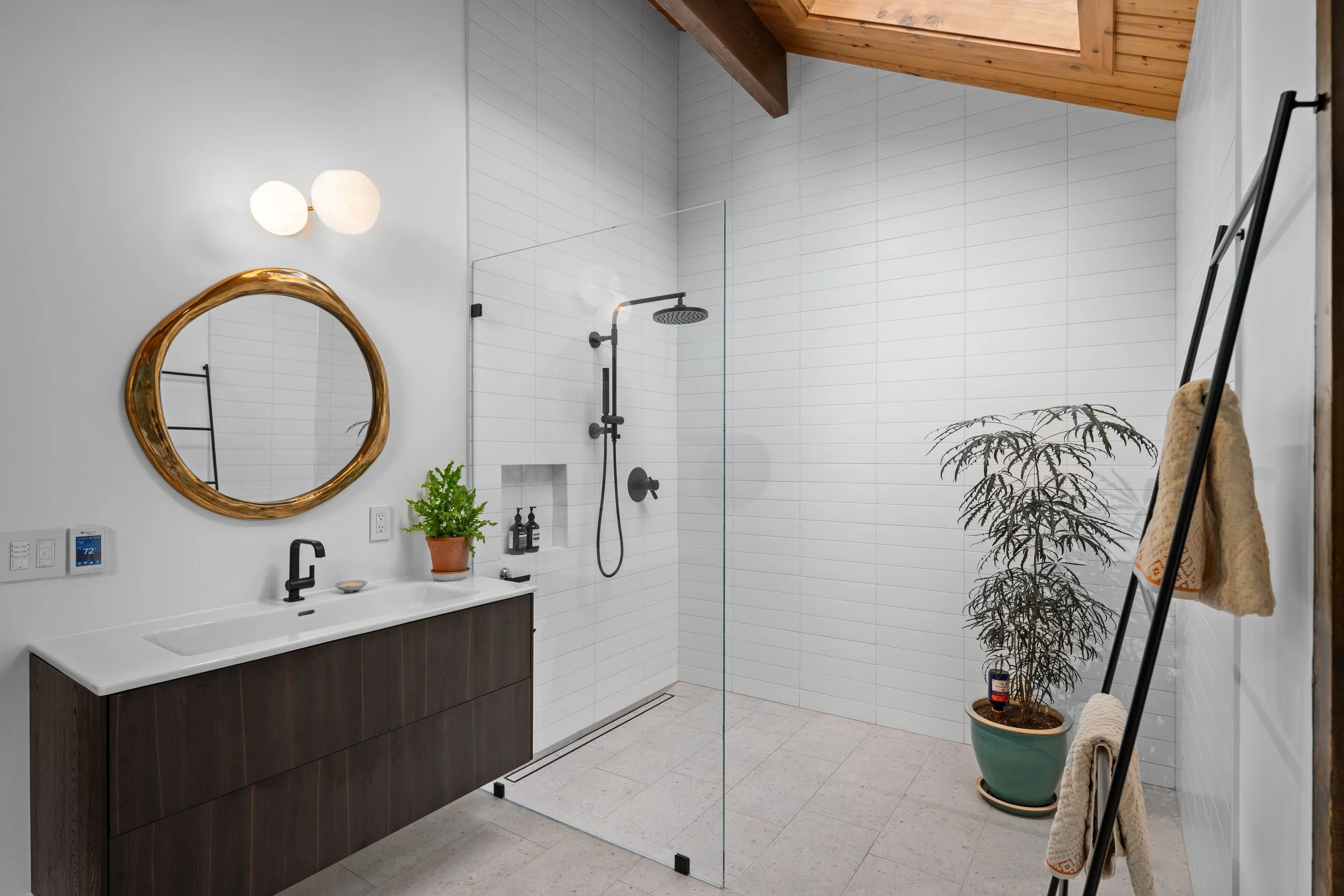
Choosing the right bathroom tiles is one of the most important decisions homeowners make during a bathroom renovation. Beyond appearance, tile selection affects durability, maintenance, safety, and long-term performance.
For homeowners in Bellevue, Seattle, Kirkland, Redmond, Sammamish, and surrounding Washington communities, moisture resistance and installation quality deserve particular attention.
Porcelain is generally the best overall bathroom tile for Washington homes because it absorbs little water, lasts a long time, and offers design versatility. Ceramic is an excellent option for many bathroom walls, while natural stone adds a distinctive, luxurious look.
But choosing the right tile involves more than selecting a material.
What a Bellevue Remodeling Expert Recommends
“When homeowners choose bathroom tiles, I always encourage them to look beyond the appearance. A beautiful tile matters, but choosing the right material for the floor, shower walls, and wet areas helps create a bathroom that performs well over time. Waterproofing, proper installation, and long-term maintenance should all be part of that decision.”
— Mario Ramirez, Owner, F&M Construction & Remodeling
For homeowners planning a bathroom remodel, understanding how different materials perform can help prevent costly mistakes and support better long-term results.
Best Bathroom Tiles at a Glance
Bathroom applicationRecommended tileBest overall bathroom tilePorcelainBest budget-friendly wall tileGlazed ceramicBest shower-floor tileWet-area-rated porcelain mosaicBest luxury appearanceNatural stone or premium stone-look porcelainBest low-maintenance optionGlazed porcelainBest contemporary shower wallsLarge-format porcelainBest for smaller bathroomsPorcelain sized to suit the layout
1. Porcelain Tiles: The Best Overall Choice for Washington Bathrooms
Porcelain is one of the most reliable tile materials for residential bathrooms because of its dense composition and low water absorption.
Under ANSI A137.1, porcelain tile has a water absorption rate of 0.5% or less.
This makes it a practical choice for bathroom floors, shower walls, and other areas exposed to regular moisture.
Porcelain tiles are available in finishes that resemble marble, limestone, concrete, and wood, giving homeowners considerable design flexibility.
Why porcelain works well in Washington bathrooms:
Low water absorption
Durable surfaces for everyday use
A wide range of sizes and finishes
Relatively easy maintenance
Suitability for many bathroom applications when appropriately rated
Large-format porcelain tiles, including 24-by-48-inch options, are especially popular in contemporary walk-in showers because they create a streamlined appearance with fewer grout joints.
However, porcelain is not automatically suitable for every surface. Homeowners should confirm that the selected product is approved for the intended application.
2. Ceramic Tiles: A Budget-Friendly Bathroom Option
Ceramic tiles remain a popular choice for shower walls, vanity backsplashes, and decorative bathroom surfaces.
They are often more affordable than porcelain and come in a wide range of colors, patterns, and textures.
Common styles include subway tiles, handmade-look ceramic, geometric patterns, and textured accent tiles.
Ceramic is particularly suitable for:
Shower walls, when approved for wet areas
Vanity backsplashes
Bathroom accent walls
Decorative niches
Bathroom floors, when specifically floor-rated
For homeowners remodeling a guest bathroom or powder room, ceramic can provide an attractive balance of cost and design flexibility.
3. Natural Stone Tiles: A Luxury Bathroom Option
Natural stone remains a desirable choice for homeowners seeking a distinctive bathroom design.
Marble, slate, limestone, and travertine offer natural textures and variations that make each installation unique.
Marble is particularly popular in luxury bathroom renovations because of its elegant veining.
However, natural stone generally requires more maintenance than glazed porcelain.
Depending on the material, it may be susceptible to staining, etching, or moisture-related issues. Some stone products require periodic sealing and specialized cleaning.
For homeowners who appreciate the appearance of marble but prefer simpler maintenance, marble-look porcelain can provide a practical alternative.
4. What Bathroom Tiles Are Best for Walk-In Showers in Bellevue?
For walk-in showers, large-format porcelain tiles are a popular option for walls, while smaller porcelain mosaics are frequently used on shower floors.
Large-format tiles create a clean appearance and reduce the number of grout joints.
Smaller mosaics can accommodate the slope toward a shower drain and provide additional grout joints that may contribute to traction.
Popular shower-floor options include:
Two-inch square porcelain mosaics
Small hexagonal tiles
Penny-round patterns
Textured porcelain mosaics
Stone-look porcelain designs
The selected shower-floor tile should be approved for wet, barefoot use.
Proper drainage, waterproofing, and installation are essential regardless of tile size or material.
5. Are Large-Format Tiles Good for Small Bathrooms in Seattle?
Yes. Large-format tiles can work well in smaller bathrooms because fewer grout lines create a more continuous visual appearance.
A 12-by-24-inch porcelain floor tile, for example, can complement a compact bathroom without requiring a complicated pattern.
Similarly, large-format shower wall tiles can create a modern, streamlined appearance.
However, tile size should be selected based on the room's dimensions, layout, substrate conditions, and drainage requirements.
For shower floors, larger tiles may require a compatible drainage configuration and carefully planned slopes.
6. Matte vs. Glossy Bathroom Tiles: Which Is Better?
Tile finish influences appearance, maintenance, and potentially slip resistance.
Glossy tiles reflect light and can help make a bathroom feel brighter. They are commonly used on shower walls, backsplashes, and decorative surfaces.
Matte tiles create a softer appearance and are frequently selected for contemporary bathroom floors.
However, matte does not automatically mean slip-resistant.
For floors exposed to water, homeowners should review the manufacturer's intended-use recommendations and relevant wet slip-resistance information.
The safest choice is a tile specifically suitable for the expected conditions.
7. Do Washington's Rainy Conditions Affect Bathroom Tile Selection?
Washington's rainy climate can contribute to indoor moisture-management concerns, but bathroom tile performance depends primarily on water exposure, ventilation, and installation quality.
Bathrooms in Seattle, Bellevue, and surrounding communities benefit from moisture-resistant materials, effective exhaust ventilation, and properly installed waterproofing systems.
Even high-quality porcelain tiles and grout do not make a shower waterproof on their own.
A properly constructed shower requires a compatible waterproofing assembly, correctly integrated drains, suitable slopes, and appropriate treatment of corners, penetrations, and transitions.
Why Installation Matters as Much as Tile Selection
“Homeowners sometimes focus on the finished tile because that's what they see every day. But the work behind the tile is equally important. Proper surface preparation, waterproofing, and drainage are essential to creating a bathroom that will perform well for years.”
— Mario Ramirez, Owner, F&M Construction & Remodeling
For homeowners planning a bathroom renovation, discussing waterproofing and installation methods with their contractor is an important part of the planning process.
8. What Is the Best Low-Maintenance Bathroom Tile?
Glazed porcelain is generally one of the best low-maintenance options for residential bathrooms.
Its low water absorption and durable surface make it suitable for many bathroom applications.
It also offers stone-look finishes that provide the appearance of natural materials without some of their maintenance requirements.
Even low-maintenance tiles require regular cleaning.
Homeowners should maintain grout joints, inspect sealant at appropriate transitions, and follow manufacturer-recommended cleaning instructions.
Natural stone generally requires more specialized care.
9. What Tile Combinations Work Best in Modern Washington Bathrooms?
A successful bathroom remodel often combines different tile sizes and finishes to balance aesthetics and functionality.
For a contemporary bathroom, homeowners might consider:
Bathroom floor: Matte or textured porcelain in a 12-by-24-inch format, provided the product is floor-rated.
Shower walls: Large-format porcelain with a marble, limestone, or concrete appearance.
Shower floor: Small-format porcelain mosaics approved for wet shower-floor use.
Vanity backsplash: Glazed ceramic or matching porcelain.
Feature wall: Textured porcelain, decorative ceramic, or carefully selected natural stone.
Warm neutrals, soft grays, and natural stone-inspired finishes can complement many contemporary Pacific Northwest interiors.
10. What Should Bellevue Homeowners Ask a Bathroom Remodeling Contractor?
Before selecting bathroom tiles, homeowners should discuss the installation requirements with their remodeling contractor.
Important questions include:
What waterproofing system will be installed?
A shower requires a suitable waterproofing assembly that integrates correctly with the drain, walls, and surrounding surfaces.
Is the selected tile approved for its intended application?
Bathroom walls, bathroom floors, and shower floors can have different performance requirements.
How will drainage be handled?
Shower-floor tile selection and layout must accommodate the required slope toward the drain.
Will the existing surfaces need preparation?
Large-format tile installations require appropriate substrate preparation and flatness.
What maintenance will the material require?
Porcelain, ceramic, and natural stone have different maintenance considerations.
Discussing these questions before construction begins can help homeowners make informed decisions.
Frequently Asked Questions About Bathroom Tiles in Washington
What is the best tile for a bathroom floor in Washington?
Porcelain is generally an excellent choice because of its durability and low water absorption. Select a floor-rated product appropriate for the expected wet conditions.
Is porcelain better than ceramic for bathroom remodeling?
Porcelain is often preferred for floors and frequently wet surfaces, while ceramic can be an economical and attractive choice for walls and backsplashes. The best option depends on the application.
What tile is best for a walk-in shower floor?
Small-format porcelain mosaics approved for wet, barefoot use are commonly used because they accommodate traditional shower-floor slopes.
Can large tiles make a small bathroom look bigger?
Large-format tiles can create a more continuous appearance by reducing visible grout joints. Layout, color, lighting, and room proportions also influence the result.
Do bathroom tiles need waterproofing underneath?
Shower installations require an appropriate waterproofing system. Tile and grout alone should not be relied upon to waterproof a shower.
What bathroom tile requires the least maintenance?
Glazed porcelain is generally among the easiest materials to maintain, although grout, sealant, and surrounding surfaces still require routine care.
Bathroom Remodeling in Bellevue and the Greater Seattle Area
Choosing the right bathroom tile involves more than appearance. Material performance, waterproofing, drainage, and installation quality all influence the long-term success of a remodel.
At F&M Construction & Remodeling, we work with homeowners throughout Bellevue, Seattle, Kirkland, Redmond, Sammamish, and surrounding communities to create bathrooms that combine thoughtful design with quality construction.
Whether you're considering large-format porcelain, natural stone, or a complete walk-in shower transformation, careful planning helps create a bathroom that is both attractive and practical.
Planning a bathroom renovation in Bellevue or the Greater Eastside?
Visit F&M Construction & Remodeling to explore our remodeling services, review completed projects, and discuss your bathroom renovation.
Technical reference: ANSI A137.1 tile classification and Tile Council of North America guidance. Installation requirements should follow applicable manufacturer instructions and industry standards.